


A spoiler-free take on Crushed: testing one’s faith and one’s patience
Every horror fan learns two things very quickly: that humans can be darker monsters than anything lurking on the other end of a Hollywood special effects team and that faith in a higher power can be either vital or useless, depending on the horror in question. While Dracula is bested by a crucifix in the Hammer Horror version, Lestat in Interview with a Vampire laughs them off. While its utility can be limited in plot, faith in horror, as in any genre, often serves as a key element in the themes and symbolism of a film, but some genres treat it with it a touch more rarely. For instance, faith is rarely a cornerstone of the thematic vibes of a thriller. However, they do come, as proven by Crushed, the new release from British indie director Stanley Rumley.

Written and directed by Rumley, Crushed tells the story of a pastor’s family in Bangkok, Thailand who stumble into the darkest shadows of humanity. The film follows Father Dan (played by Steve Oram), his wife May, (played by Nattapohn Rawddon) and their young daughter Olivia (played by the film-debuting Margaux Dietrich) as the latter falls afoul of troubled criminal Stanley (played by Christian Ferreira). As Father Dan and May wrestle with Olivia's kidnapping and the search for her, they find their faith and their morality tested, giving the audience a chance to ponder… something. Honestly, the author is still debating what was intended, as while the solid, and frequently strong, acting in Crushed provides a solid foundation, so-so cinematography and stilted story and symbolism leaves us wondering not if there is a higher power in the world, but more if there was a higher vision for the film.
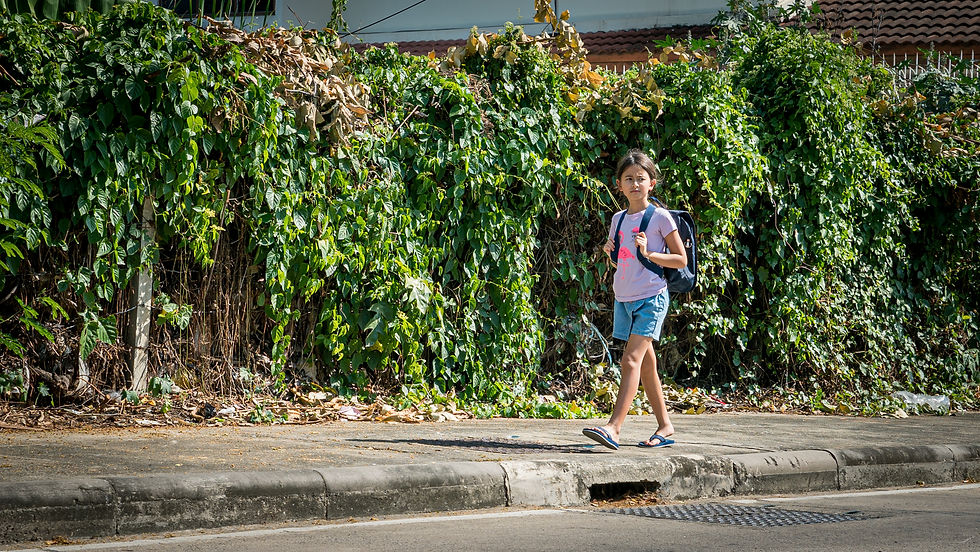
Beginning with the technical elements, Crushed’s biggest and best-utilized asset is its setting. Filmed on location in Bangkok brought the film both a charm and an occasionally gritty realness to the film. The sights of packed Thai markets and streets help focus and narrow the plot to its setting, grounding it nicely and providing a perfect complement to the cinematography when it shines, although the cinematography is sadly not as reliable. There are strong points where the use of the camera’s perspective ramps up the tension and suspense exactly how a thriller should. Other times, there’s interesting uses of bisected perspectives to juxtapose close-up shots of the actor’s faces during a particularly important conversation or confrontation- sometimes providing the entirety of the tension- but towards the end of the film, these creative moments grow more sparing. Intermixed amidst them are attempts at surrealistic contrasts or what seems like attempts to emphasize certain elements for stylistic reasons, but it’s never quite clear what those reasons are, leaving us to rely on the actors for guidance. Much of the more interesting angles give us hints that there's a message in Crushed's madness, but we don't quite see it.
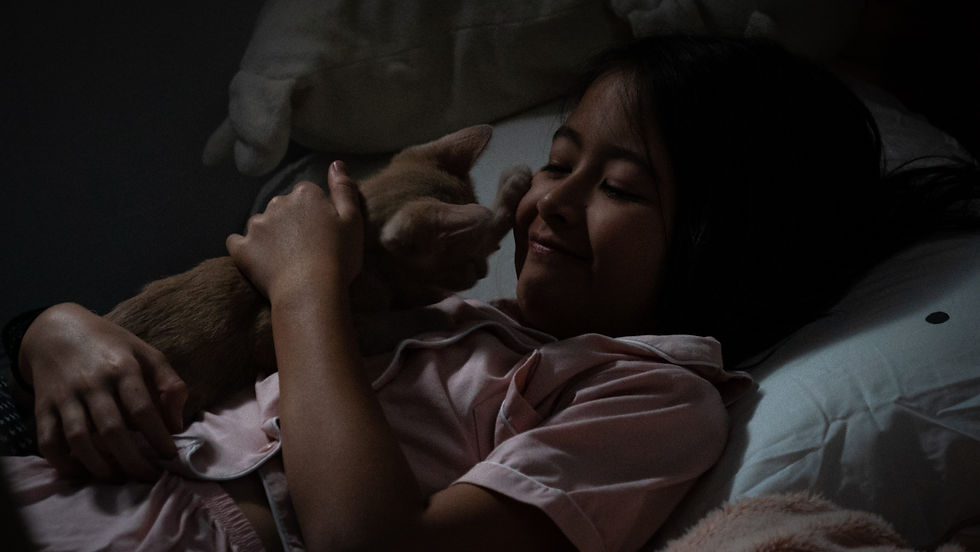
While Crushed seems to be the film debut of many of cast, the actors both young and old brought a professional polish and believability to their roles, no matter the size. While a few lines of the early dialogue felt a little wooden, that passed quickly, and by the end nothing felt false or flat, but some performances did stand out more. In particular, Ferreira’s Stanley proved a nuanced and almost anti-heroic figure, one who viewers might feel a great deal of sympathy for by the end (and likely some guilt for that sympathy). And while the author can’t quite discuss him in detail without a risky number of spoilers, he is certain that the audience will feel the deepest discomfort and perhaps disgust whenever Johnathan Samson’s character Mr. Jefferies is on screen. Other characters took a bit longer to come into their own, such as Rawddon’s May, but by the end, each character felt well-placed and real, including the most passive character, Father Dan. Oram’s performance never felt wooden or shaky, but something about the character never quite took a place in the story, and by the end, it felt difficult to place how, or if, he had changed. Other characters struggled somewhat, but as one of the most prominent roles, Father Dan, in particular, encapsulates the key stumbling point of the film: its writing.
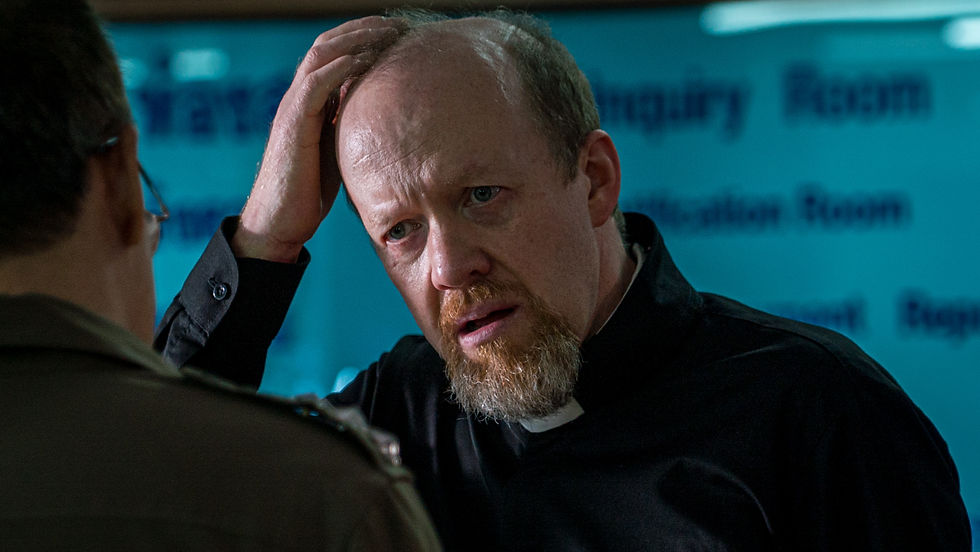
Crushed flounders amidst various ideas and themes as it unwinds its plot, which is surprisingly simple at times, but also has several jumps which makes this author wonder what might have been left on the editing room floor. At several points early in the film and especially towards the end where the plot jumps, seemingly skipping events which, with hindsight, seem evident but hinder the film through their absence. At times characters make decisions which catch you by surprise, not because of some underlying reason or hidden motivation, but because the film either glossed over or outright missed the part where they decided to do what they did. But even if we had seen these pivotal moments, that might not fill us in, as some characters feel almost as if they are there because they had to be.
Father Dan comes to mind immediately, as throughout much of the film we find little sense of what he is doing or why, and although Oram portrays him well, it’s hard to decide whether we should cheer him on or shake our heads at him. Occasionally we do both. The same can be said for other characters, and even the plot itself. Just when it seems like there’s a direction, the film seems to go the opposite way, and by the end, it’s hard to say who’s right, who’s wrong, and who’s really in charge. The characters encapsulate the theme’s difficulties as well, as the author is still not quite sure what, if any, moral conclusions we’re supposed to draw from the film. And that’s a problem, because as a thriller, if there’s not a theme or a story to focus on, the film has to have enough tension and, bluntly, thrills to explain why we’re watching the film in the first place.
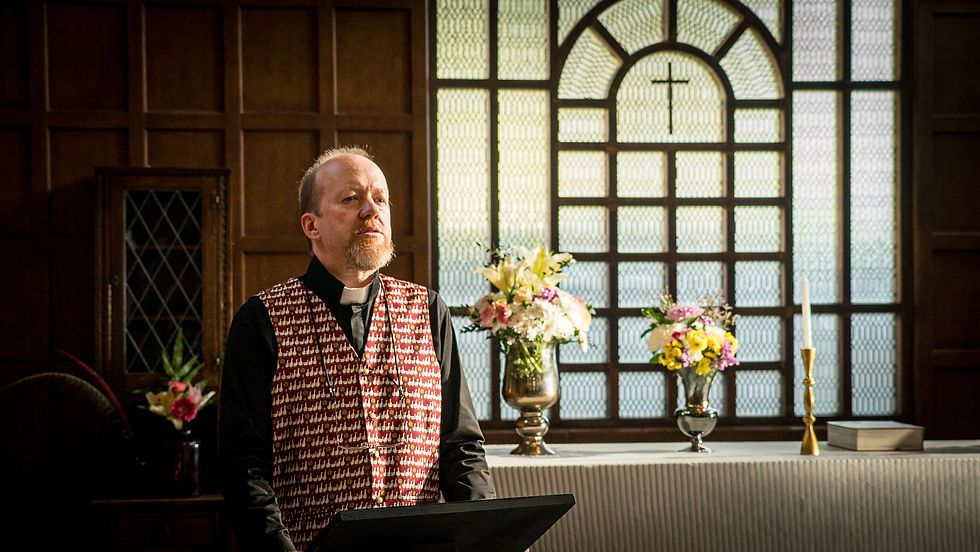
At times, Crushed feels like a horror movie, suspense balanced on a razor's edge and counterweighted by dread, but at other times, the tension feels muted. By the last thirty minutes, it drains away entirely. Viewers are left muddled and adrift, which is perfectly fine for a deep, introspective piece, and could work for a thriller as long as it’s clear that is the intent and not a result of strained writing or over-enthusiastic editing. Crushed has many elements working for it, particularly its strong cast and setting, and there are times when it’s clear someone is trying to say something, but we never quite figure out what that something is. Intentionally or not, the film becomes a matter of faith, which is ultimately up to the individual to decide. But as far as this author is concerned, Crushed might be best left for those willing to dig deep, and those who don’t mind losing their attraction to stiletto heels. And avid cat lovers might be best taking someone else’s words for it.


Comments